
AI Recording Wearables

Engineering Recording Wearables from Capture to Intelligence.

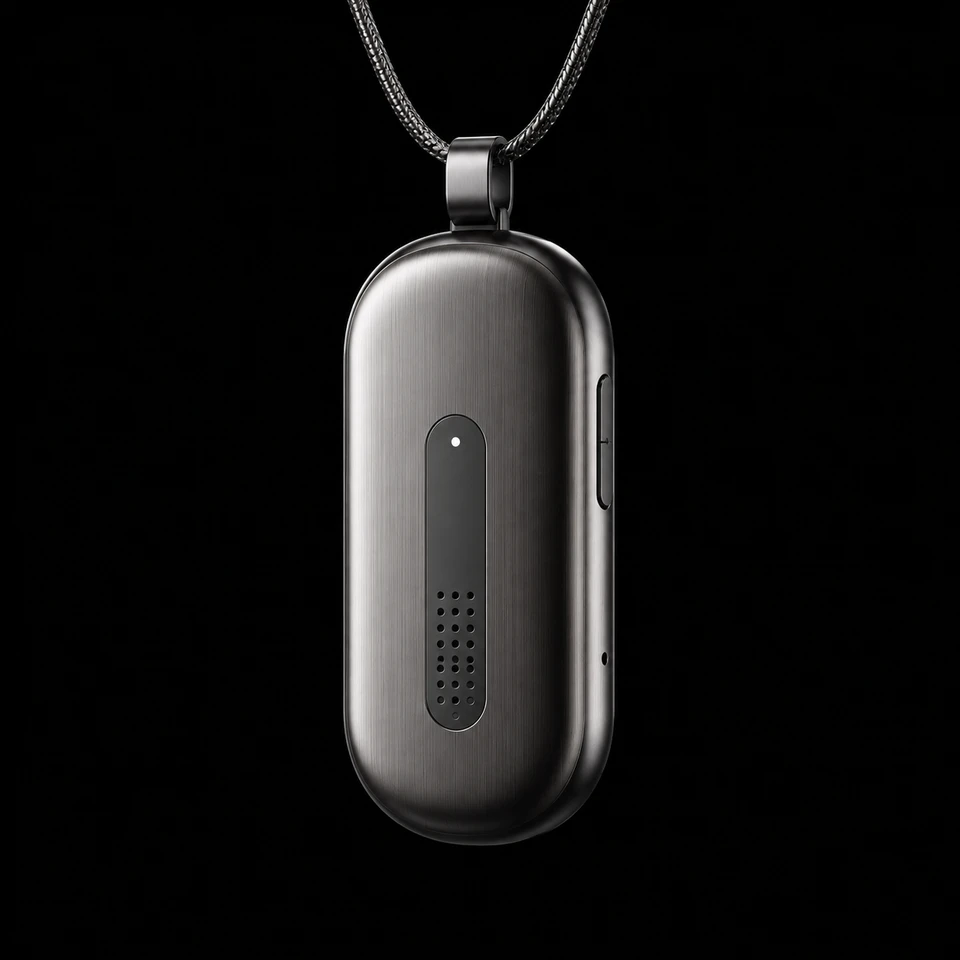
AI-generated metallic pendant appearance concept, suspended from a necklace against a black background.

Hulin engineers AI recording wearables across audio capture, embedded systems, connectivity, mobile applications, cloud services and AI workflows, connecting each layer around how the product needs to capture, move and use audio.

AI-generated appearance concept; not verified hardware.

The recording signal

From Capture to Intelligence

  1. Capture

    Microphone · acoustic path · audio interface

  2. Record

    Recording control · processing · encoding

  3. Store

    Local files · segmentation · retention

  4. Connect

    BLE · device control · synchronization

  5. App / Cloud

    Recording access · backend · processing

  6. AI

    Transcription · summaries · structured output

Conceptual reference architecture. Processing location, storage strategy, connectivity and AI services vary by project.

A wearable recording device brings acoustic engineering, recording control, storage, power, connectivity, software and AI together. Integration choices depend on the product requirements.

Engineering the Recording Experience

Capture

Audio & Acoustics

Audio and acoustic engineering begin with how a device is worn. Microphone placement, acoustic openings and the acoustic path need to work with enclosure geometry and structural materials. The microphone and audio interface, power supply and PCB layout are considered together, including electrical noise that could affect capture.

Capture configuration and processing are evaluated for the intended use. Automatic gain control (AGC), noise suppression or acoustic echo cancellation (AEC) may be considered where the architecture calls for them. Evaluation sets recording-quality targets.
Record

Embedded, Storage & Power

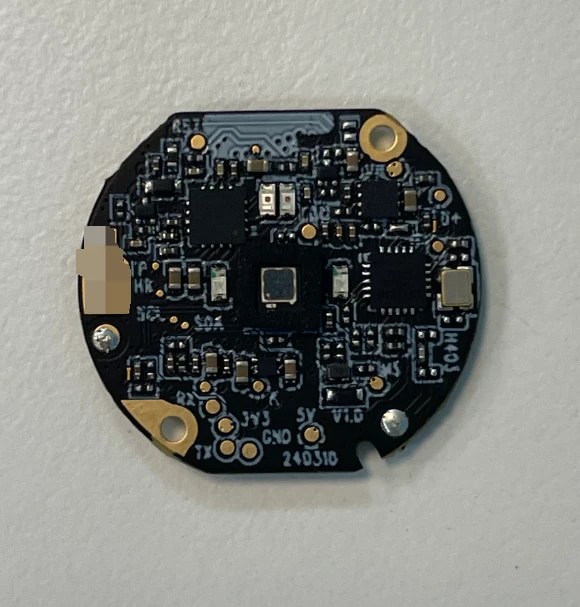
Close view of a round populated circuit board with components and gold-colored mounting holes.
General compact-PCBA engineering reference. Product-specific board design depends on project requirements.

Embedded recording firmware coordinates start, pause, stop and recovery behavior with buffering, audio encoding and local file writes. Storage design covers recording segmentation, retention and what happens when available space is full.

Power management balances capture, processing and storage activity with sleep and wake states. Wireless scheduling, battery constraints and active-state behavior inform the tradeoffs between recording quality, stored data and when recordings can be transferred.

  • Recording Quality
  • Storage
  • Battery
  • Transfer Bandwidth
Each decision shifts the balance across the system.

Connect

BLE & Device Workflow

BLE connectivity can support device binding, recording control and battery or storage status. Device synchronization is designed around recording access and interruptions, so the application can handle incomplete transfers and reconnection. Depending on requirements, the workflow may also include firmware updates over the air, with update behavior coordinated across the device and mobile app.

The conversation continues

From Recording to Useful Information

REC00:24:18
Illustrative conversation — static excerpt
00:24:18

“How should the next prototype be worn?”

00:24:26

“How will we organize the recordings?”

00:24:34

“Agreed. Let’s review the device and app requirements together.”

Structured notes

Example notes for review

Summary
Prototype wearability and recording organization.
Key Points
Wearing position · Recording organization · Device / app requirements
Decisions
Review device and app requirements together.
Action Items
Confirm recording organization.
Search / Knowledge
Prototype review · Wearability · Recording workflow

The mobile application can bring recording synchronization, file management and content access into one workflow. Depending on the architecture, a backend can coordinate uploads, storage and cloud processing. A selected speech-to-text service can transcribe recorded audio, with language coverage and processing choices evaluated for the intended use.

AI summaries may organize transcripts into key points, decisions and action items, or follow structured templates. Tags and searchable content can support retrieval and knowledge workflows as a recording library grows. Outputs need human review against the source conversation; the selected services and application requirements determine what the system can support.

Wearability

Designed to Be Worn

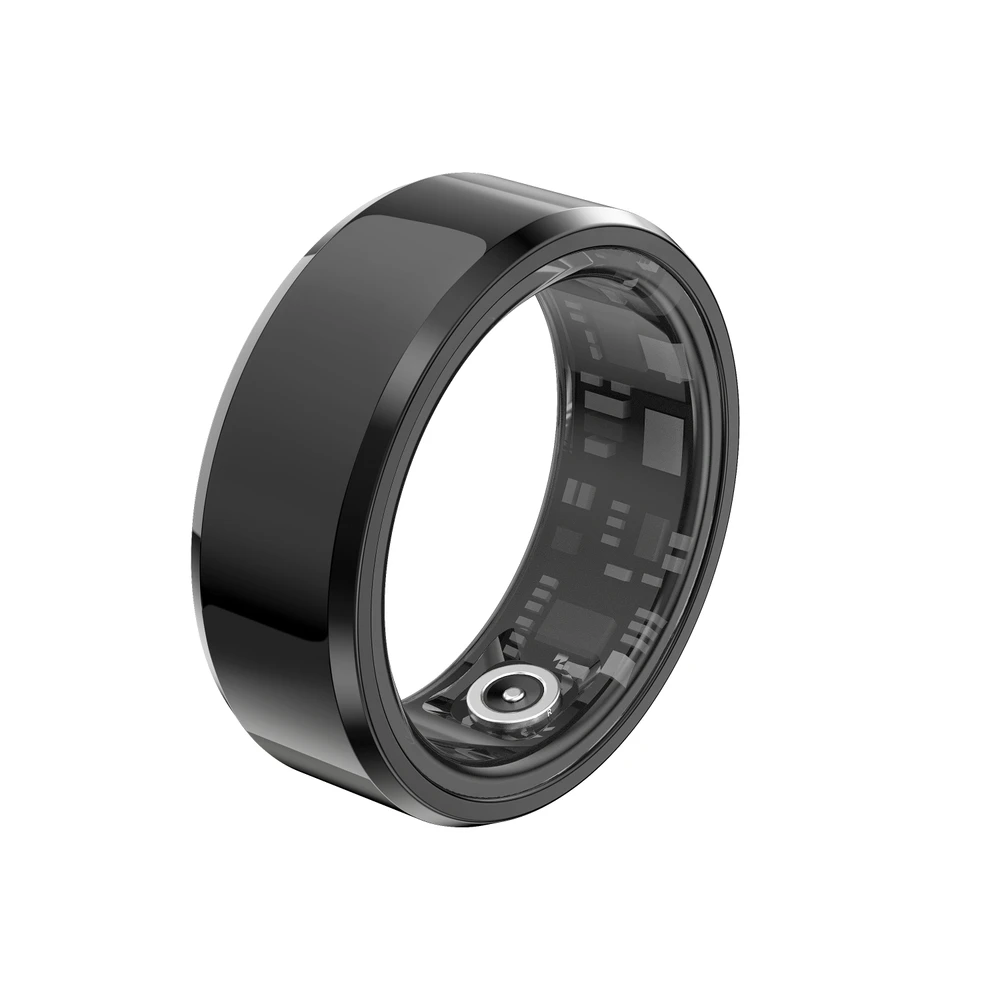
Ring-form recording concepts are developed around wearing comfort, activation, acoustic access and power requirements. As with other wearable form factors, the recording architecture is defined and evaluated for the project.

Ring-form development

  • Wearing comfort
  • Activation
  • Acoustic access
  • Power budget

Built Around Real Conversations

Sales Conversations

Capture customer discussions and organize requirements, decisions and follow-up information from the recording for review.

Meetings

Use recorded discussions to prepare summaries, decisions and action items that participants can review.

Interviews & Research

Preserve long-form conversations and make recorded information easier to search, review and retrieve.

From Product Definition to Delivery

AI recording wearable development brings hardware, firmware and connected services into one product brief. Responsibility is defined around the project requirements.

Engineering responsibility

Hulin Engineering

The engineering scope may include:

Product Definition & Mechanical
Define recording requirements, wearability, enclosure geometry and mechanical integration.
Hardware & PCBA
Select components and integrate audio, power, connectivity and storage.
Embedded & Audio
Develop recording firmware, audio encoding, buffering and device behavior.
Mobile App
Design device interaction, recording synchronization, file access and updates.
Backend & Cloud
Define content storage, cloud processing and service interfaces.
AI Integration
Integrate selected transcription services, AI summaries and structured output.

Coordinated with partners

Partner Coordination

Depending on the project, coordination may include industrial design, manufacturing and supply chain.

Production support can be coordinated with manufacturing and supply-chain partners according to project requirements.

Let’s build what comes next

Your next wearable. Together.

Tell us what you’re developing and where you need engineering support.

Prepare a short project brief, then open it in your email app to send to Hulin.

Prefer to email directly?
Your project brief
Product idea, intended use, engineering needs and any timing constraints. 20–2,000 characters.

Preparing a brief does not send it. Your email app handles delivery.