
Engineering Capabilities / Reference atlas
Wearable engineering.
Across the interfaces.
Hulin works across the interfaces that make a wearable function as a product: physical structure, electronics, embedded behavior and connected software. Engineering scope and product requirements are defined together.
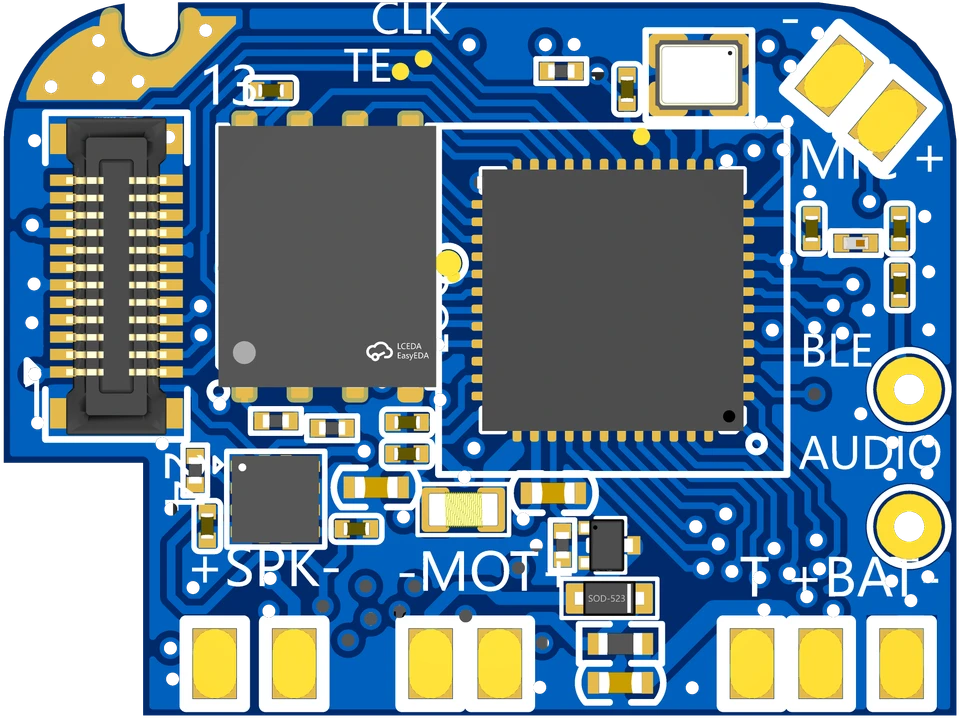
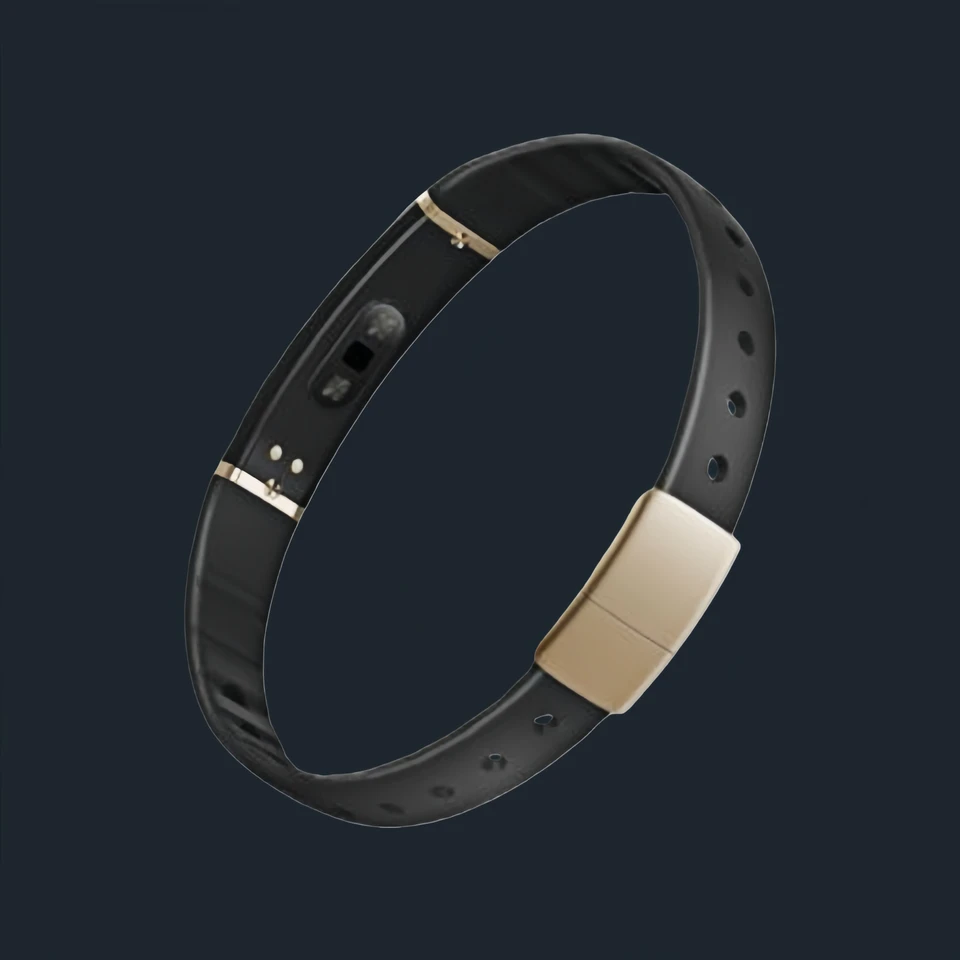
Independent supplied references. The board is not identified as an internal component of the pictured wearable.
01 / Physical integration
Mechanical & structure
The outside sets conditions for everything inside.
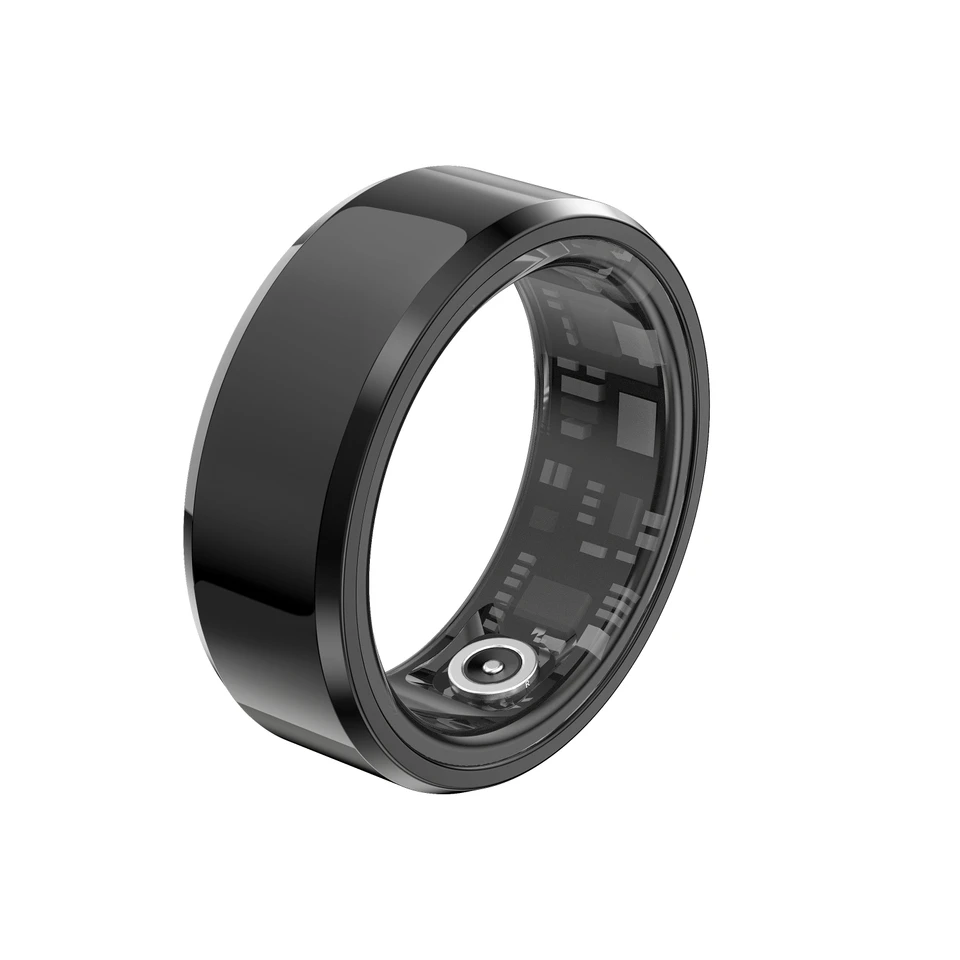
- Product integration
- Translate wearing position, interaction and packaging needs into mechanical decisions.
- Physical interfaces
- Coordinate enclosure openings, sensor or acoustic paths, contacts, controls and assembly interfaces.
- Cross-discipline review
- Review the structure together with board placement, power, signal paths and the intended use.
02 / Electronics integration
Hardware & PCBA
Space, power and signal paths become physical decisions.
- System selection
- Evaluate the electronics around the required sensing, recording, processing and connectivity functions.
- Board integration
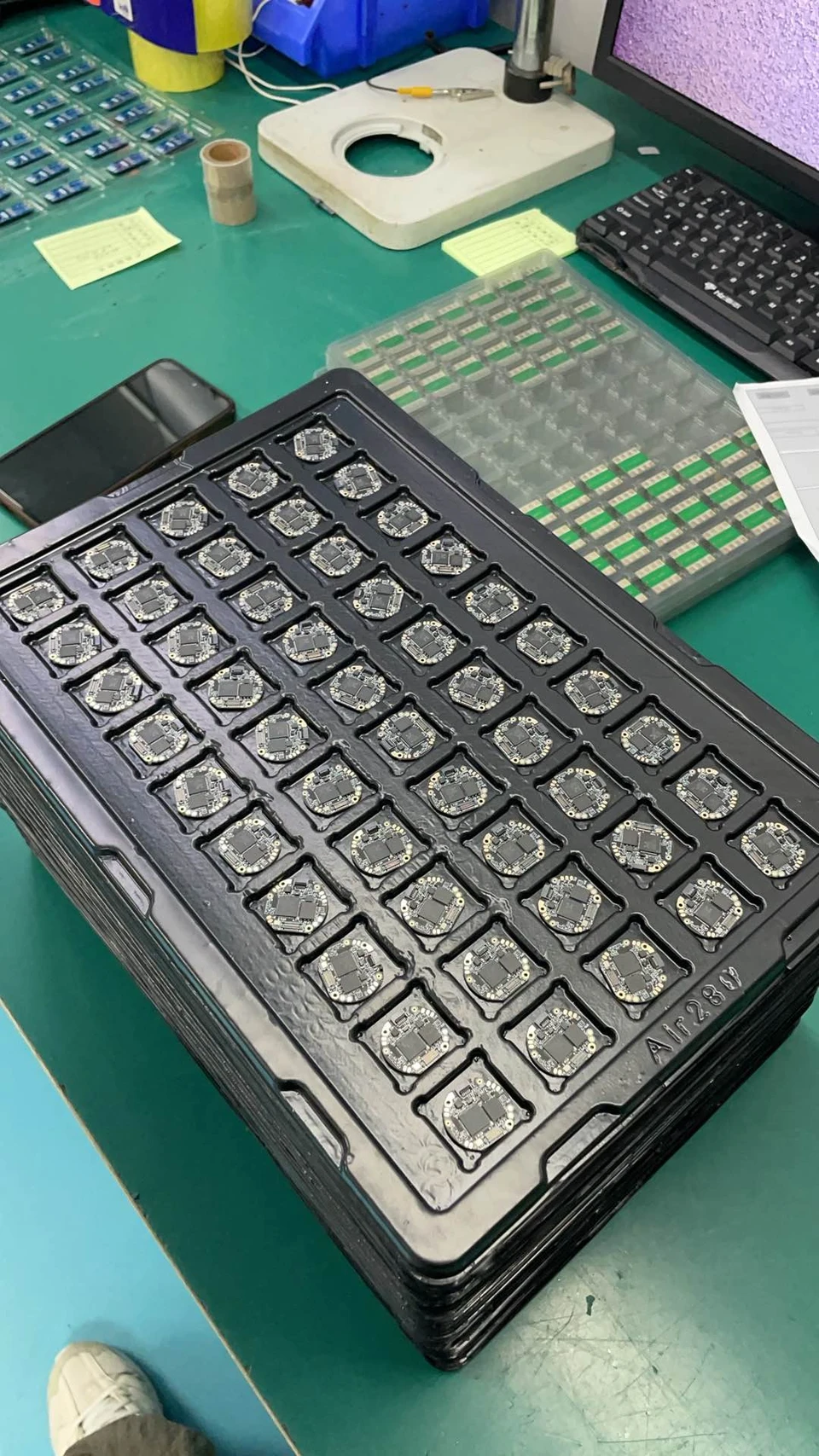
- Consider schematic design, PCBA layout, power distribution and electrical interfaces as one system.
- Bring-up
- Coordinate hardware checks with firmware so product behavior can be evaluated on the actual electronics.
03 / Device behavior
Embedded firmware & connectivity
Bring the electronics, operating states and connection together.
- Operating states
- Initialization, active functions, low-power states and recovery behavior.
- Data handling
- Sampling or recording, buffering, local storage and synchronization according to the architecture.
- Connectivity
- BLE binding, device control, status exchange, interruption handling and firmware updates where required.
Define the platform around the product.
Processing, memory, power and connectivity requirements guide platform selection. Nordic remains an expanding development direction; implementation scope is evaluated per project.
04 / Connected experience
Algorithms, applications & AI
Data needs context, interfaces and a useful destination.
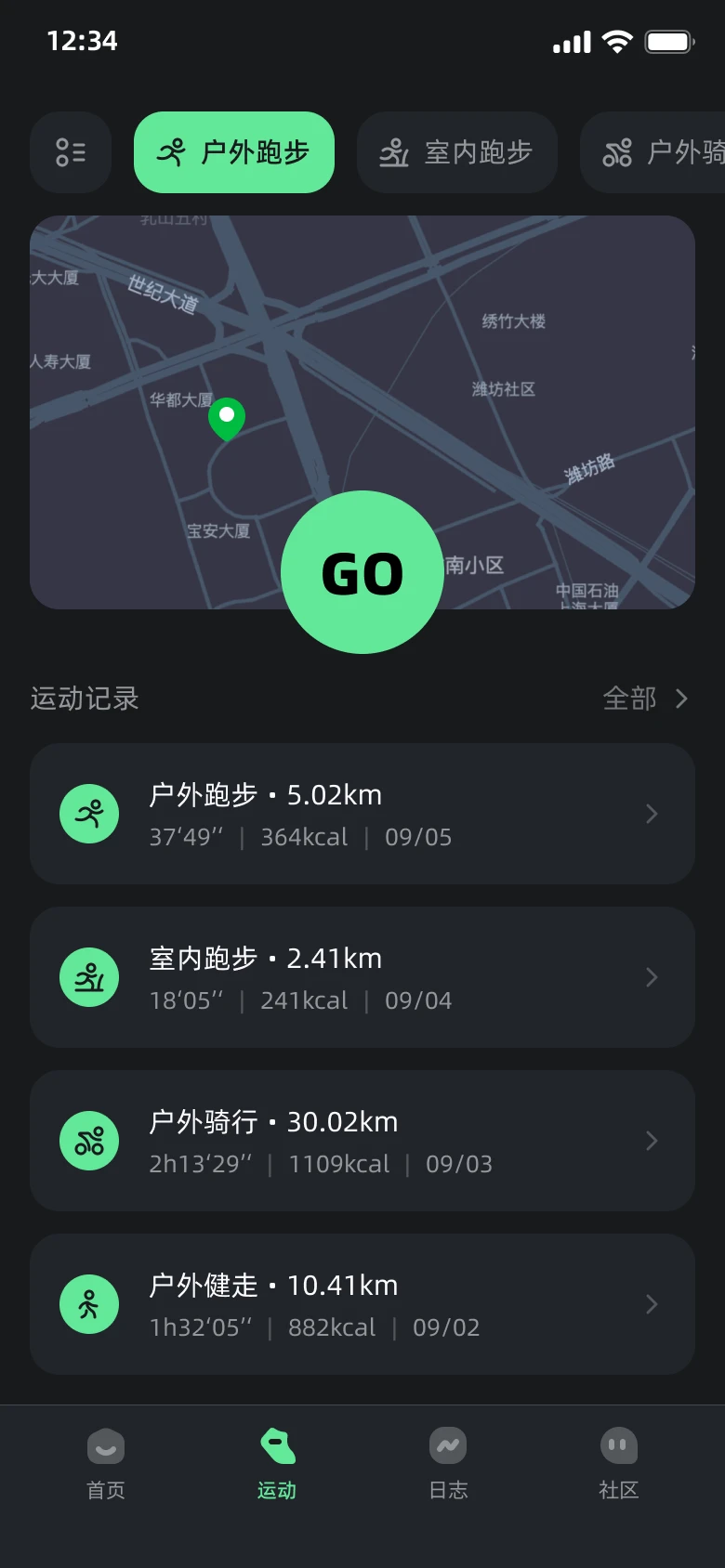
Interface imagery does not establish measurement performance.
- Algorithms
- Signal interpretation and data processing selected and evaluated for the intended product.
- Mobile applications
- iOS and Android experiences for device connection, data access and product interaction.
- Backend & AI
- Service interfaces, storage and selected AI workflows connected to the physical device and its data.
From technical scope to a development brief
Define where the engineering is needed.
Start with what the wearable must do, what already exists and which interfaces need support. Deliverables and partner responsibilities follow from that scope.
Product Development / ODM & OEMPCBA and embedded development need shared acceptance criteria
Wearable hardware and firmware development should go beyond a board that powers on or a radio that connects. Agree interfaces, operating states and failure conditions, then define the engineering checks and delivery records.
- Board and system inputs
- Bring enclosure constraints, battery and charging choices, sensing or audio requirements, connectivity needs and any existing electronics. Define power, signal and debug interfaces against component placement and assembly.
- Firmware and connectivity checks
- Specify behavior for sampling or recording, buffering, sleep, BLE synchronization and recovery. Include logs, power measurements and device-to-app data integrity in the project validation plan.
- What the engineering material shows
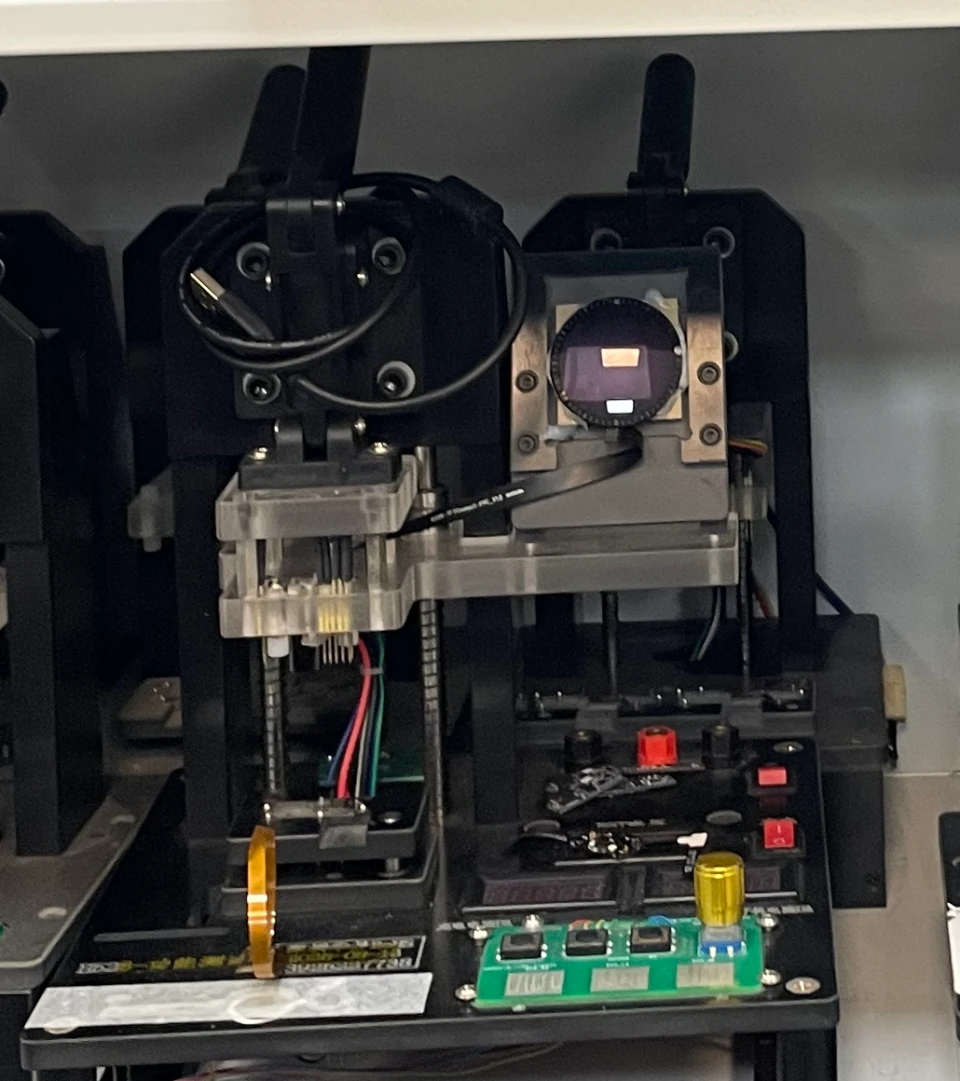
- The PCBA, workbench and programming-fixture material on this page illustrates board integration and debugging context. It does not establish the production readiness of a particular ring. Test scope, versions and deliverables are agreed for each project.
Developing a compact wearable? Share the current mechanical, electronics or firmware state and the problem that needs resolution. Hulin can then scope the interfaces between hardware, embedded software, low power, BLE and the app.
Explore the engineering decisions
Let’s build what comes next
Your next wearable. Together.
Tell us what you’re developing and where you need engineering support.
Submit your project details securely to Hulin. You can also keep a copy of your brief.
Your brief is ready
Review your brief, then open an email draft. Nothing is sent until you send it from your email app.