
Form changes the electronics.
Wearing position, enclosure geometry and contact surfaces influence board layout, component placement and the space available for power and connectivity.
Product Development / ODM & OEM
Definition / Prototype / Validation / TransferWearable product engineering
Hulin brings product definition, structure, electronics, firmware and connected software into one development brief. The engineering scope and partner responsibilities are agreed around what the product needs to become.
Start a ProjectA new concept, existing electronics or a product ready for its next iteration. Agree use cases, system architecture, design responsibility and the evidence needed next.
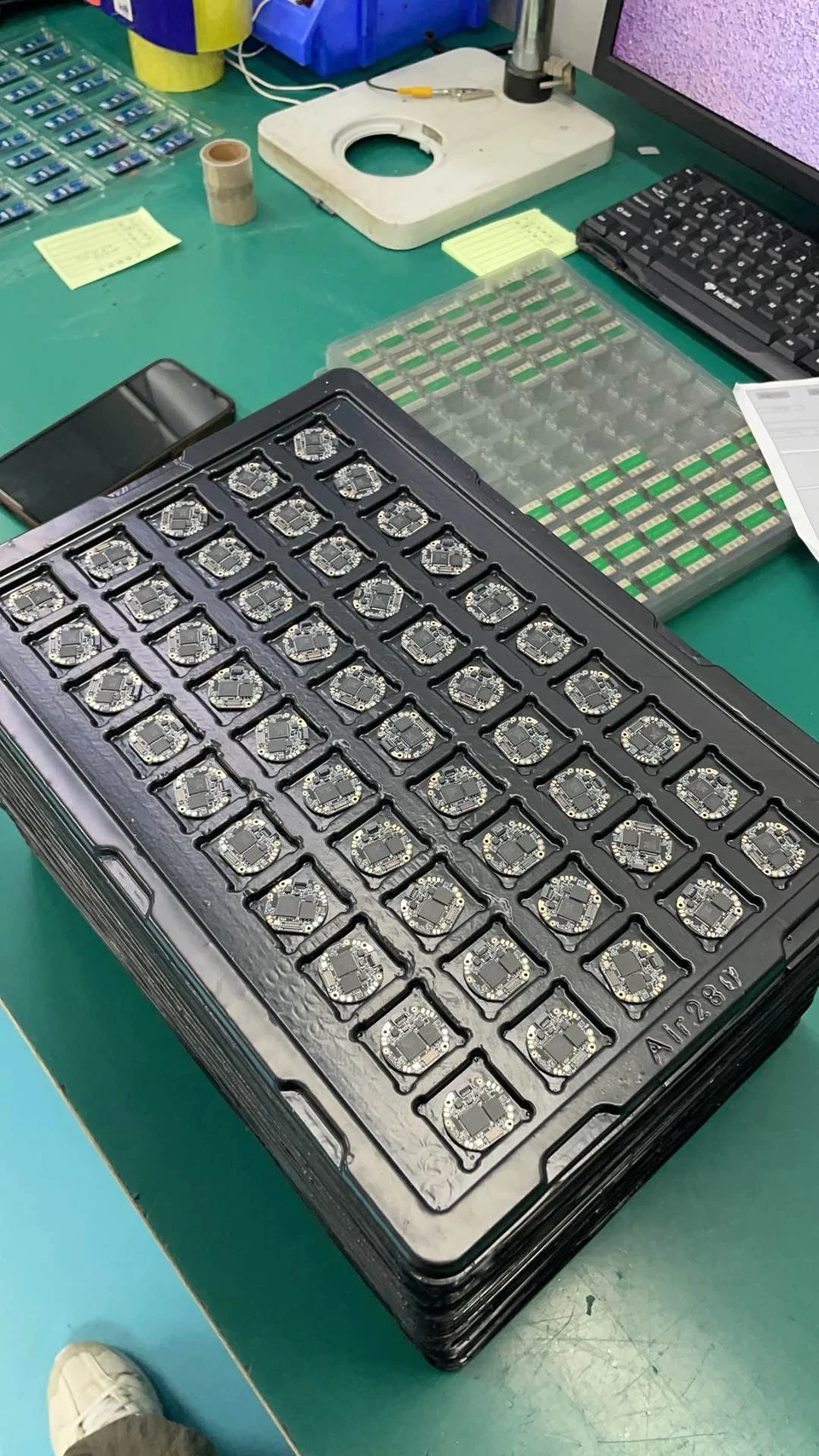
02 / Prototype
Prototypes make relationships testable: where parts fit, how the electronics behave, and how the connected experience comes together.
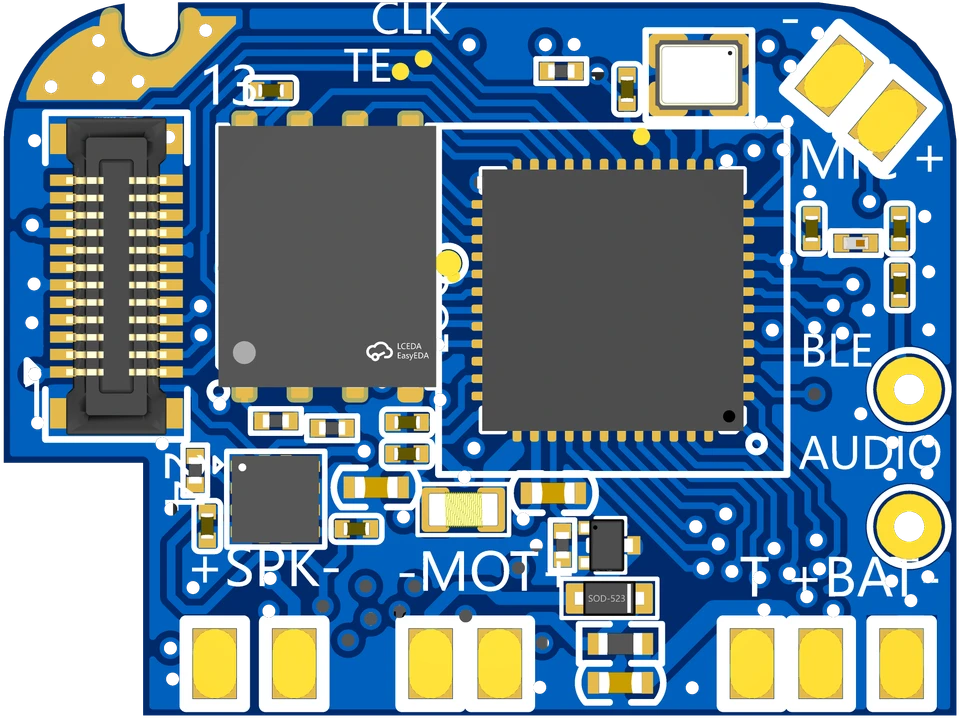
Wearing position, enclosure geometry and contact surfaces influence board layout, component placement and the space available for power and connectivity.
Sensing, recording, display activity, wireless transfers and background processing need to be considered together, rather than optimized in isolation.
Device states, firmware behavior, mobile interactions and backend services need clear boundaries so each team is building toward the same experience.
03 / Validate
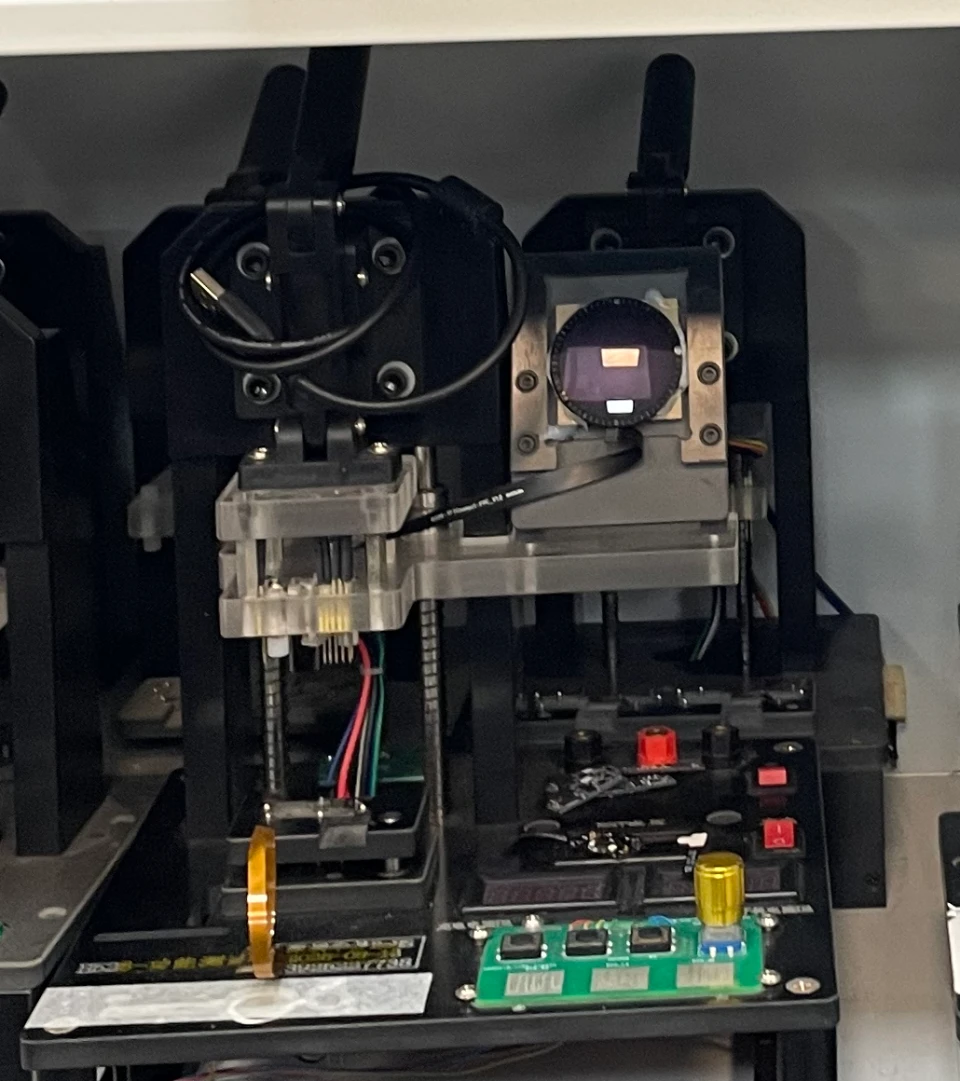
Validation is planned around the product’s risks and intended use. The review has to connect physical samples, firmware versions and the behavior being evaluated.
Stages, test scope and acceptance criteria are agreed per project. The photograph is a testing-equipment reference, not evidence of completed validation.
04 / Transfer
What is delivered, which version moves forward and who supports the next step belong in the same conversation.
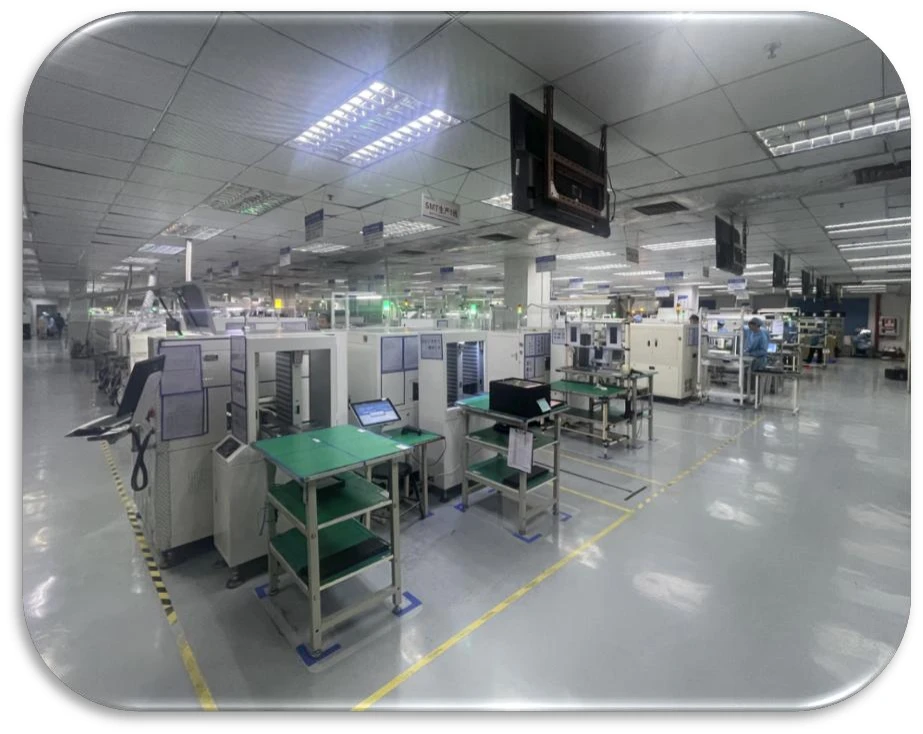
Product definition, structure, hardware, PCBA, firmware and connected software within the agreed scope.
Industrial design, manufacturing and supply-chain activities may involve partners. Production and handover responsibilities are defined with the project.
Product development and manufacturing coordination need a clear scope, acceptance method and responsible team. These are possible project gates, not a promise that every project follows identical builds or timelines.
Share the development stage, existing files, intended use, target market and your team’s responsibilities. Scope can span product definition, mechanical integration, PCBA, embedded firmware and app integration; deliverables, source/IP terms and manufacturing responsibilities belong in the project agreement.
Let’s build what comes next
Tell us what you’re developing and where you need engineering support.
Submit your project details securely to Hulin. You can also keep a copy of your brief.
Review your brief, then open an email draft. Nothing is sent until you send it from your email app.