
Smart Ring Development

Smart ring development, built around the way it is worn.

Hulin brings compact electronics, mechanical integration, embedded firmware and connected software into one smart-ring development scope. Start with the intended use: a health ring and a recording ring need different sensing paths, operating states and validation plans.

Discuss your ring project
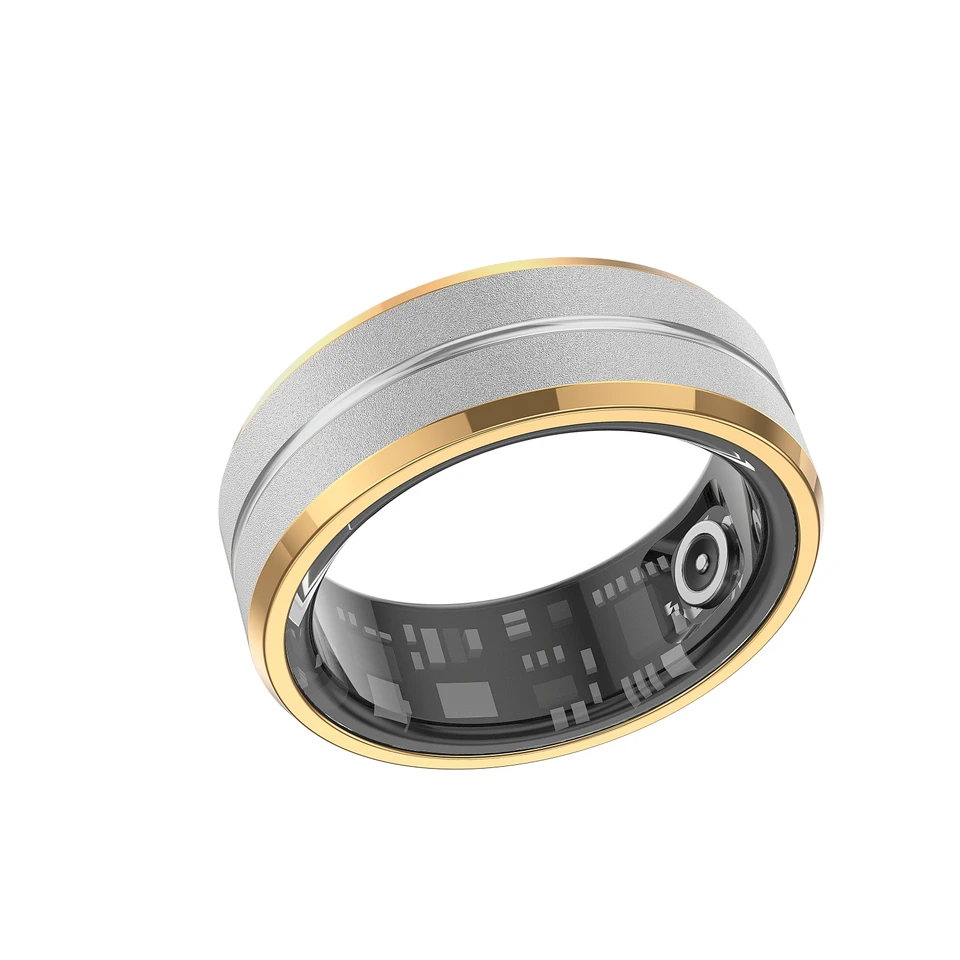
Complete silver-and-gold ring reference on a white background
Supplied ring form-factor references. Appearance does not establish a feature set, validated performance or production status.

Define the product before choosing the components

A useful ring brief connects what the user needs with what fits around a finger. Hulin works with the product team to agree the use case, wearing conditions, interaction, data path and engineering deliverables before committing to an architecture.

Health-ring engineering

Start with sensing contact, optical geometry, motion conditions and the continuity of usable data. Plan how the app will explain trends and data gaps; intended health uses determine the validation scope.

Recording-ring engineering

Start with microphone access and where the hand will be during capture. Define recording controls, status feedback, audio storage and transfer. Pocket use is a separate acoustic condition to evaluate, not a guaranteed recording capability.

Fit, enclosure and assembly share the same space

Comfort and electronics packaging must be reviewed together across the intended ring sizes.

  • Agree inner fit, outer envelope, contact surfaces and charging access before fixing the board outline.
  • Review the battery, openings, optical window or acoustic path alongside assembly access. Sealing and durability targets need a project-specific test plan.

PCBA and component integration for a compact wearable

Board layout is a system decision: sensing or audio, power, storage and radio must coexist in a constrained volume.

  • Compare component placement and interconnect options against the enclosure model and assembly approach.
  • Define access for bring-up, programming and electrical checks. Agree the schematic, layout and interface deliverables for the project.

Build the battery target from operating states

Battery life depends on the workload across the whole day, not just a low-power chip specification.

  • Budget sensing or recording, processing, memory writes, BLE transfers, sleep and charging behavior separately.
  • Measure representative states on hardware and revise the schedule around real use. Runtime targets remain conditional on the agreed workload and battery.

BLE and antenna behavior need assembled-device testing

The enclosure and wearing position belong in the connectivity review, alongside the electronics and firmware.

  • Reserve antenna space early and evaluate communication with the device worn in its intended positions.
  • Define pairing, status exchange, interrupted transfer recovery and reconnection. Coordinate firmware updates with the app where required.

Health rings: connect sensing, optical design and data quality

A sensor choice alone does not establish the quality of a health measurement.

  • Review PPG emitter/receiver placement, optical window, skin contact and motion together; select other sensors according to the intended use.
  • Coordinate drivers, sampling, buffering and app synchronization. Separate signal-quality evaluation from any clinical or medical validation requirements.

Recording rings: protect the acoustic path

Audio quality starts with a usable path from the sound source to the microphone.

  • Evaluate openings, microphone orientation, handling noise, electrical noise and the hand or clothing around the ring.
  • Agree capture scenarios before choosing audio processing. Then validate recording control, segmentation, full-storage behavior and interrupted file transfer.

Firmware, app, cloud and AI form one data workflow

The product needs defined behavior when the phone is nearby, disconnected or unavailable.
  • Specify device states, local buffering, synchronization and error recovery together with the mobile experience.
  • Where required, scope backend storage, health-data presentation or audio transcription and AI summaries. Define service boundaries, data handling and user review of outputs.
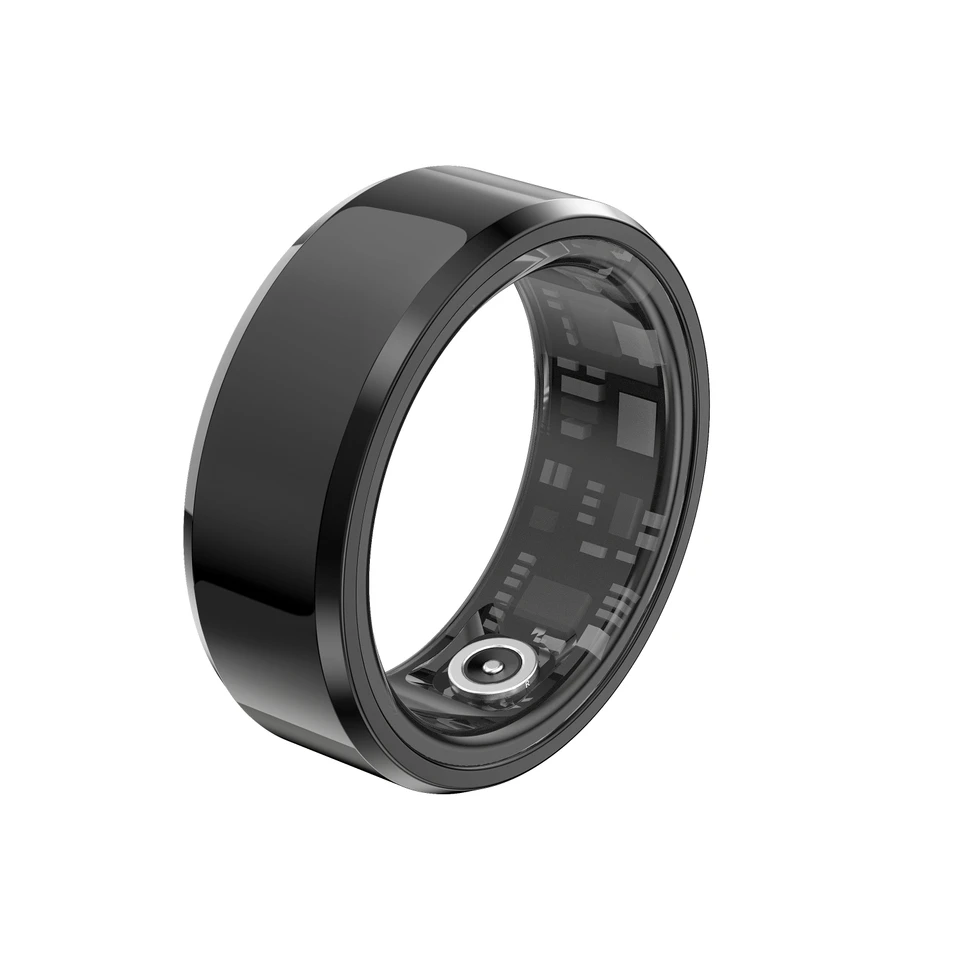
Complete black ring reference on a white background
Supplied ring form-factor references. Appearance does not establish a feature set, validated performance or production status.

From prototype questions to an agreed production handoff

Define
Agree use cases, size constraints, architecture, responsibilities and the evidence needed to proceed.
Prototype
Resolve fit, board integration, sensor or acoustic paths and early device-to-app behavior.
Validate
Review measured power, connectivity, data handling and product functions under the agreed conditions.
Transfer
Prepare the agreed engineering files, firmware versions and test information for manufacturing coordination.

EVT, DVT, PVT and MP gates can be scoped to the project. Manufacturing responsibilities, acceptance criteria and handover deliverables are agreed with the relevant partners; the images are not evidence of a shipped product.

Developing a smart ring?

Share the intended use, health or recording direction, target ring sizes, wearing conditions, battery goal, data flow and current development stage. Existing mechanical files, electronics or app interfaces help define the next engineering decision.

Discuss your ring project

Explore the engineering decisions

Let’s build what comes next

Your next wearable. Together.

Tell us what you’re developing and where you need engineering support.

Submit your project details securely to Hulin. You can also keep a copy of your brief.

Prefer to email directly?
Your project brief
Product idea, intended use, engineering needs and any timing constraints. 20–2,000 characters.

We use these details to respond to your project inquiry. Submitting does not subscribe you to marketing emails. Privacy Policy